
{主关键词}
天鹅套索
兴城八届市委常委会召开第一百五十次会议_我的网站

A |
What explains China's growing appeal?
For many developing countries, China offers a practical development partnership centered on infrastructure, investment, industrialization, technology transfer and trade. Rather than prescribing a single pathway to modernization, it has generally emphasized allowing countries to pursue development in line with their national priorities.
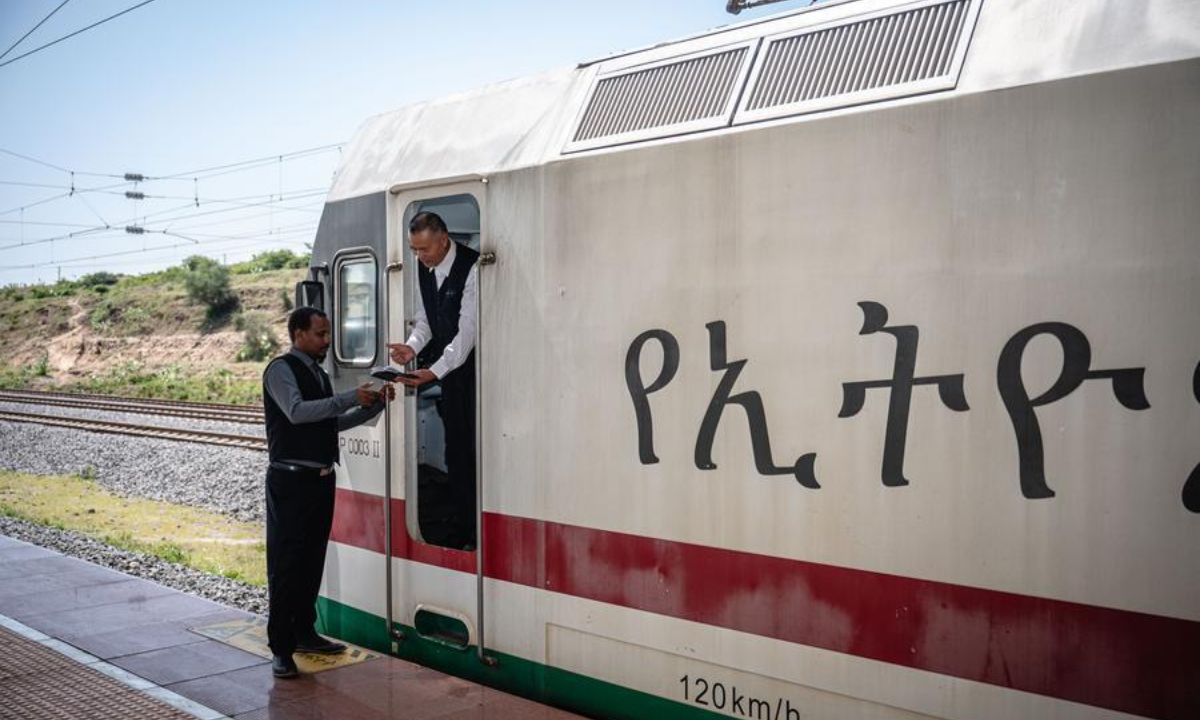
One reason China's influence has grown is that its development model is highly visible. From Ethiopia's railways to Pakistan's power plants, Chinese-financed projects address everyday development challenges by improving transport, energy security and connectivity. Through the Belt and Road Initiative, China has mobilized nearly 1 trillion U.S. dollars in infrastructure investment, producing projects that citizens can see, use and associate with economic progress.
The distinction lies not only in the scale of investment but also in the evolving priorities of development cooperation. While many Western partners have increasingly emphasized economic security, strategic de-risking, private-sector mobilization and governance reform, China has combined large-scale investment in physical infrastructure with technology transfer, industrial cooperation and human capital development.
At the same time, China has actively promoted trade by expanding market access, including granting zero-tariff treatment to many least-developed countries, deepening currency-swap arrangements, and encouraging the use of local currencies in cross-border trade. Together, these measures seek to strengthen economic connectivity, reduce transaction costs and exchange-rate risks, and create new opportunities for developing countries to integrate into regional and global value chains.
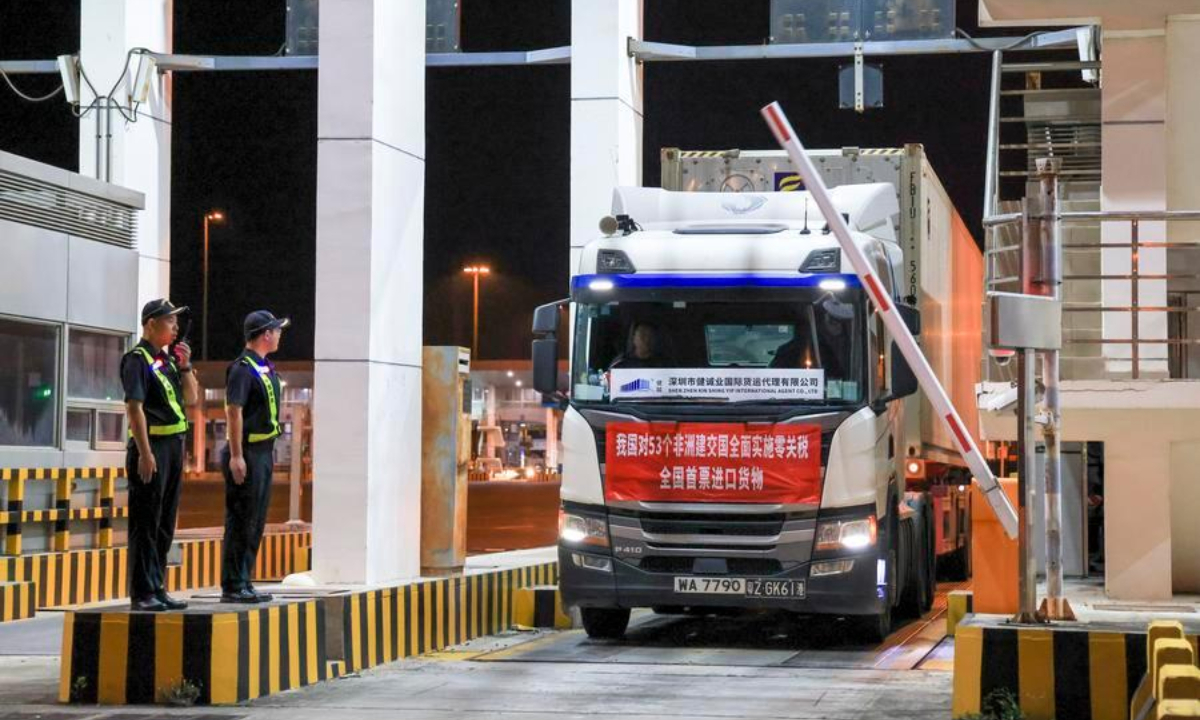
This integrated approach has produced tangible improvements in productivity, connectivity and local capacity, reinforcing perceptions of China as a long-term development partner.
Equally important is the philosophy underpinning China's engagement. Beijing consistently emphasizes sovereignty, mutual respect and non-interference, maintaining that every country should determine its own political and development path. For many governments across the Global South, this approach is a partnership based on equality rather than political conditionality, allowing them greater policy space to pursue domestic development priorities.
Diplomatic style has also influenced perceptions. Through mechanisms such as the Forum on China-Africa Cooperation and regular engagement with Pacific Island countries, China has committed itself to equality and shared development. For many governments in the Global South, that sense of respect and recognition is not merely symbolic -- it contributes to long-term political trust.
Perhaps the most important nuance is this: the Global South is not becoming anti-American; it is becoming strategically pragmatic. Its foreign policy decisions are increasingly guided by national interests, economic opportunity, and development priorities rather than Cold War-style geopolitical alignment.
The Global South's primary ambition is neither ideological nor geopolitical -- it is developmental. Governments want to create jobs, eliminate poverty, modernize infrastructure, strengthen industrial capacity and improve the quality of life for their citizens. China's transformation over the past four decades, from lifting hundreds of millions of people out of poverty to becoming a global leader in infrastructure, manufacturing and technology, has demonstrated what sustained long-term planning can achieve. Consequently, many developing countries are looking to China not as a model to replicate wholesale, but as a development partner from which they can learn, cooperate and pursue shared prosperity while preserving their own policy autonomy.
This contrast is also reflected in broader policy priorities. At a time when many Western governments are increasingly emphasizing tariffs, export controls, technology restrictions, sanctions and economic security, China has continued to promote infrastructure investment, trade, industrial cooperation, technology partnerships, open-source AI initiatives and greater access to its domestic market. Whether one agrees with either approach or not, many developing countries evaluate partnerships primarily through the lens of economic development and tangible outcomes. That difference in emphasis is helping reshape global perceptions.
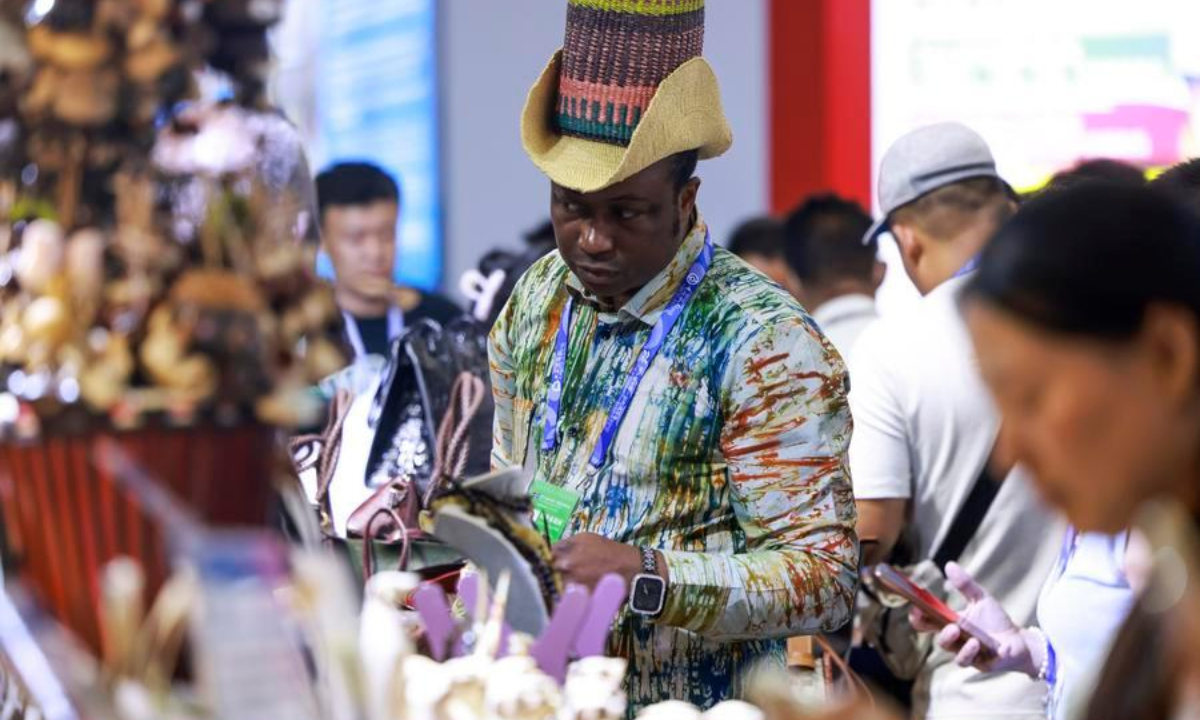
The world is changing, and the transition toward a more multipolar international order is becoming increasingly evident. The Global South is no longer a passive participant in world affairs. Its countries are exercising greater strategic autonomy, making decisions according to their own national interests, development priorities and the aspirations of their people. In China, developing countries have found a true friend and good partner.
Editor's note: Maya Majueran serves as the director of the Belt and Road Initiative Sri Lanka, an independent and pioneering organization with strong expertise in Belt and Road Initiative advice and support.
。 本网讯 特约记者张旭报道 6月7日,兴城市委书记陈玮主持召开中共兴城八届市委常委会第一百五十次会议。兴城市市长李兆瑞出席会议。 会议进行了兴城市委党纪学习教育第二期读书班暨市委理论学习中心组专题学习。市监委委员张泽光作专题辅导。 会议传达学习了《关于认真学习贯彻习近平总书记重要讲话精神扎实开展党纪学习教育的通知》精神,研究兴城市贯彻落实意见;传达学习了习近平总书记关于整治群众身边不正之风和腐败问题、维护群众利益的重要论述和指示精神,中央纪委、省纪委和市纪委主要领导关于群众身边不正之风和腐败问题集中整治工作讲话精神。 会议审议并原则通过了《关于进一步强化安全生产基层基础工作的意见》《兴城市安全生产治本攻坚三年行动实施方案 (2024-2026年)》;传达学习了《关于山西吕梁永聚煤业“11·16”重大火灾事故追责情况的汇报》;传达学习了新修订的《中国共产党巡视工作条例》、李希同志在全国巡视工作会议暨二十届中央第三轮巡视动员部署会上的讲话和刘金国同志的主持讲话;审议并原则通过了《八届市委第六轮巡察村党组织分类名单》。 会议指出,在全党开展党纪学习教育,是加强党的纪律建设、推动全面从严治党向纵深发展的重要举措。要切实提高政治站位,深刻认识开展党纪学习教育的重大意义,坚决把思想和行动统一到党中央决策部署和省委、市委工作要求上来;要抓紧抓实重点任务,用党规党纪校正思想和行动;要切实加强组织领导,发挥好“关键少数”的引领带动作用,以兴城市全面振兴新突破三年行动各项工作为载体,把党纪学习教育成果转化为高质量发展成效。 会议强调,安全生产无小事。全市上下要牢固树立安全发展理念,始终把安全生产摆在突出位置抓紧抓实抓到位,不断提升安全生产治理能力;要强化落实举措,建立健全安全生产检查常态化机制,完善应急联动体制机制、优化应急预案流程,紧盯重点行业领域,从源头避免事故发生;要压紧压实职责,把“党政同责、一岗双责、齐抓共管、失职追责”要求落到实处;要严格监督执纪,以严明问责问效,推动安全生产工作走深走实,为兴城市全面振兴新突破提供坚强有力的安全保障。
Current article:http://www.senchuoshaozaodidia.shop/jc943a/2tpvti.xlsx
Published on:18:16:47
- 134松下推出超薄无线吸尘器:530g,约1500元
- 8571Tibetan medical thangkas draw global spotlight at symposium in Xizang
- 461033深圳:以硬核创新铺就强国奋进路,深圳:以硬核创新铺就强国奋进路
- 6504数码考古:微软首款智能手机问世比苹果 iPhone 早约 5 年
- 5568537AI brings support to people with disabilities, seniors in east China's Zhejiang
- 31562(经济观察)算力也能“存”和“买” 中国探索“算力银行”“算力超市”,(经济观察)算力也能“存”和“买” 中国探索“算力银行”“算力超市”
- 782373微软赢得了五角大楼17.6亿美元的合同
- 5257公司用于光模块的硅透镜、微棱镜、玻璃透镜的进展如何?联创电子回应
- 486330美国PCE数据临近且美债收益率回落,美元/加元维持小幅震荡,等待方向选择
- 822《中国eVTOL产业发展研究报告》发布:成都企业具全球竞争力,有望成为“全球eVTOL第一城”
- 5094580印尼弗洛勒斯岛附近海域发生7.7级地震
- 3412221“宝藏漳州·活力芗城”美好生活嘉年华举办
- 284加斯佩里尼:亚特兰大赛季表现令人难以置信,有望再次进欧冠
- 40976Naslen Gafoor Turns 25: The Unassuming Meteor Of Malayalam Cinema
- 95482广东宏远官宣外教班底 亚科夫列维奇掌球队教鞭
- 1535520中印边界问题特别代表第25次会晤将举行
- 6106고려아연 소액주주, 의결권자문사에 '감사위원 평가기준' 공개질의
- 35983我副外长警告美菲之后,数十艘中国船舰聚集仙宾礁,菲律宾直呼震惊
- 851683Biden admin reaches settlement with ACLU over separated migrant families under Trump
- 89032外交部:菲方心虚了,气急败坏、毫无底线
- 68695Heartiley Battery Trailer Delves Into The Anxieties of Digital Age Romance
- 239751nm后的芯片技术
我的网站热门国内
- Copyright @ 2016-2017 我的网站 版权所有